
In the early 2000s, public health officials faced a stubborn problem: teen smoking rates weren’t dropping fast enough. Traditional messages like “Smoking is bad for you” did little. In fact, lectures most of the time backfired, making cigarettes seem rebellious and “cool,” pushing some teens closer to trying them.
Then something unexpected happened.
The Truth campaign, created by Crispin Porter + Bogusky (CP+B) under creative director Alex Bogusky, took a radically different approach. Instead of scaring teens with health risks, it exposed the tobacco industry’s manipulative tactics – hidden ingredients, internal memos, and marketing designed specifically to hook young people.
The campaign didn’t say, “Don’t smoke.”
It said, “They want you addicted – so they can make money.”
That subtle psychological shift changed everything. For the first time teens weren’t being told what to do. They were invited to take back control. Autonomy replaced authority. Awareness replaced guilt.
The results were striking.
One evaluation found the Truth campaign accounted for 22% of the decline in youth smoking between 2000–2002, preventing an estimated 300,000 teens from starting. Later studies suggested the campaign helped prevent 450,000 youth from smoking between 2000–2004.
Today, we face a parallel challenge – but it’s not just cigarettes or vapes.
It’s screens.
Smartphones, social media, games, and streaming platforms are designed to capture attention, manipulate behaviour, and profit from it.
And, like tobacco in the early 2000s, simply telling kids to stop using screens rarely works. We need a different approach – one that empowers rather than restricts, that educates rather than lectures, and that helps children reclaim agency over their digital lives.
The New Attention Economy
Today, we face a parallel challenge. But it’s not just cigarettes or vapes. It’s screens. Smartphones, social media, gaming platforms – even Netflix – are all engineered to capture attention because attention is profitable. The longer we stay online, the more data platforms collect – and the more revenue they generate.
When we tell kids,
“Get off your phone – it’s bad for you,”
we are repeating the same ineffective anti-smoking lecture from decades ago.
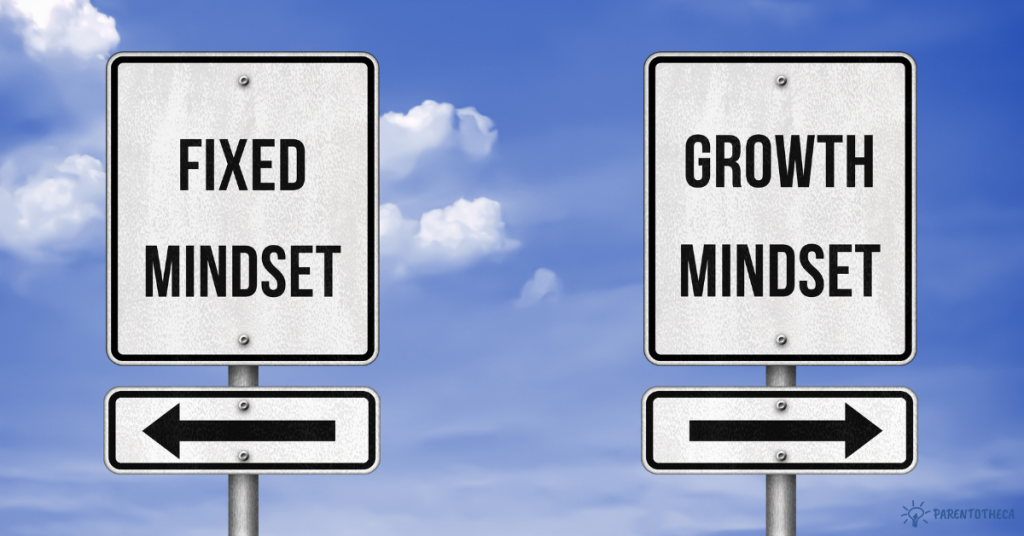
But when we shift the conversation to focus on how platforms are designed – how infinite scroll, autoplay, notifications, and algorithmic recommendations are deliberately engineered to shape behaviour – the conversation changes. It moves from obedience to empowerment. That is when young people truly listen.
In my own home, this reframing transformed screen-time battles into shared inquiry:
- Why does this app feel impossible to put down?
- What are we trading when we spend hours scrolling?
- How can we use technology intentionally, instead of letting it use us?
When the discussion centres on agency and choice, rather than just restriction, kids engage. They think critically, reflect, and make decisions for themselves.
For me, that mindset shift started with reading.
The following five books radically reshaped how I think about screens – both my own habits and the boundaries I set with my children.

1. Irresistible by Adam Alter
Get The Book | Read Our Summary
Alter explains how apps, games, and social platforms are designed to be addictive, leveraging behavioural psychology to keep users coming back. Understanding this helps parents approach screen time with empathy instead of frustration.
2. Bored and Brilliant by Manoush Zomorodi
Get The Book | Read Our Summary
Zomorodi reveals the power of boredom. When kids – and adults – allow themselves space away from screens, creativity, problem-solving, and curiosity flourish.
3. The Anxious Generation by Jonathan Haidt
Get The Book | Read Our Summary
Haidt synthesizes growing research linking the rise of smartphones and social media with increasing anxiety, depression, and sleep disruption among adolescents. He distinguishes between phone-based childhoods and play-based childhoods, advocating for strengthening offline community.
4. Deep Work by Cal Newport
Get The Book | Read Our Summary
Newport argues that the ability to focus deeply is a competitive advantage in a distracted world. His practical strategies help us reclaim attention from digital distraction.
5. The Molecule of More by Daniel Z. Lieberman & Michael E. Long
Get The Book | Read Our Summary
A fascinating look at dopamine – the neurotransmitter that drives novelty seeking and reward – and why digital experiences provide fast, frequent dopamine hits that reinforce habit loops.
The Bottom Line
Technology is not the enemy. It’s a powerful force we must learn to harness.
Just as the Truth campaign helped teens recognize the incentives behind Big Tobacco, we can help our children understand the incentives driving digital platforms. When kids see that these systems are designed to capture their attention, they’re far more motivated to reclaim it.
The goal isn’t to return to a screen-free life. It’s to build intentional, healthy relationships with technology.
These five books offer the research, language, and perspective parents need to:
- Understand how digital platforms shape behaviour
- Create boundaries rooted in empathy – not control
- Model mindful, values-based tech use
- Support children’s emotional and cognitive development
When we transform screen-time rules into conversations about autonomy and agency, we give our kids something far more powerful than compliance – we give them ownership of their choices.
That is the foundation of lifelong digital well-being.
Loads of love,
Irina
P.S. I use the same strategy when talking about junk food with my kids – but that’s a story for another day.